
Prime Highlights
- Experts at British Beauty Week shared how new digital tools are making beauty shopping clearer and more personalised for consumers.
- Noli’s leadership stressed the importance of cutting confusion and helping shoppers find products that truly match their needs.
Key Facts
- Many customers feel overwhelmed by nonstop beauty trends and mixed advice, which often leads to buying products that don’t work for them.
- Noli’s approach focuses on simplifying product choices and boosting consumer confidence by giving clearer, more tailored guidance.
Background:
At this year’s British Beauty Week, experts from both beauty and tech came together to talk about how new digital tools are changing the way people find products, get advice and connect with brands.
The discussion, held with support from skincare platform Noli, looked at how technology is growing, how beauty images are created, and how these tools can work alongside, not replace, the people in the industry.
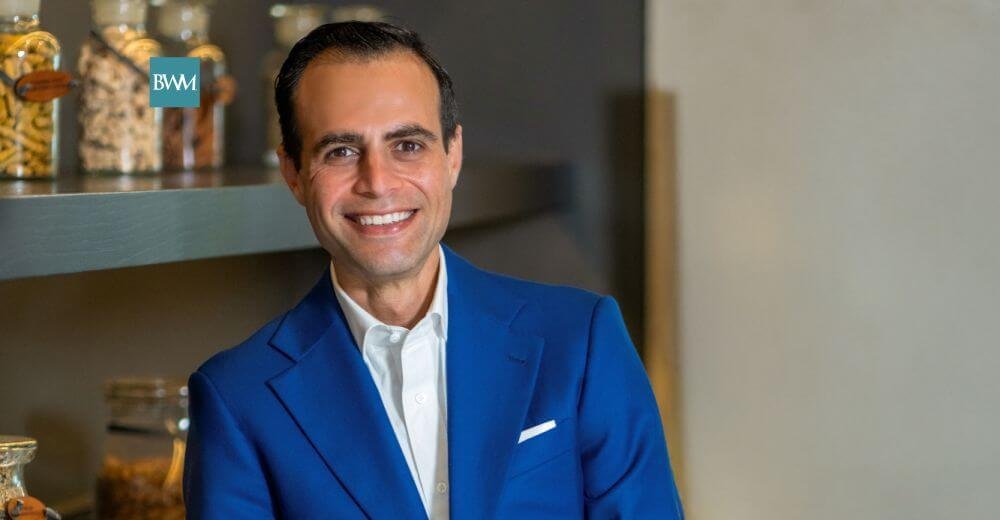
Speakers said today’s shoppers want personalised help instead of guessing what to buy. Amos Susskind, CEO and Co-Founder of Noli, explained that their goal is to guide people toward products that genuinely suit them by clearing up confusion and mixed messages.
He added that many customers feel overwhelmed by nonstop trends and advice that may not match their needs, which often results in buying the wrong products. Noli aims to make the process simpler and give shoppers more confidence in what they choose.
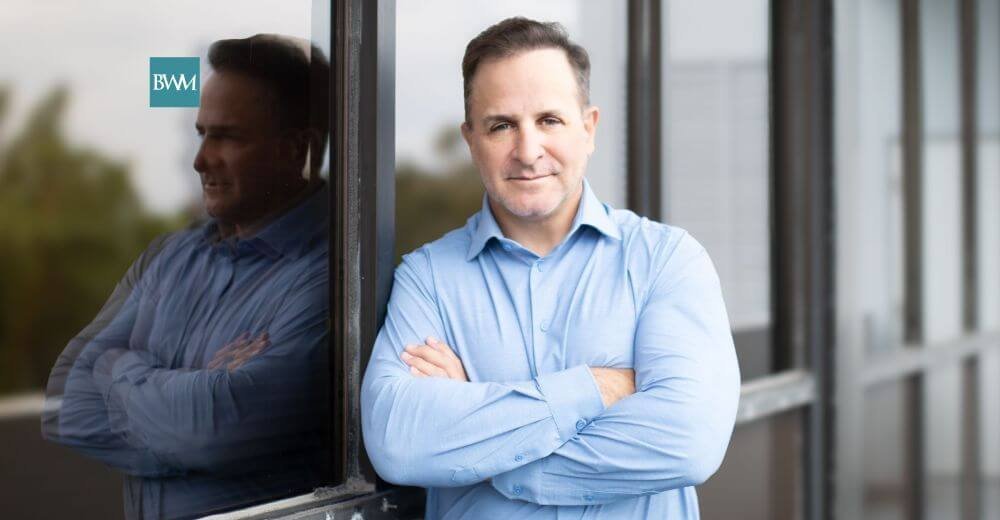
Mark Farbrace, Managing Director at Accenture, added that detailed customer queries and expectations are pushing brands to innovate. According to him, the industry must deliver a level of personalisation far beyond what traditional retail has offered.
While digital tools are becoming more common, speakers stressed that the beauty industry’s heart still lies in human relationships. Michael Douglas, Founder of MD London and creator of The Knowing, said technology should strengthen those connections rather than replace them.
Douglas developed his platform after receiving countless messages from people trying to manage their hair at home. The system now allows users to access his expertise instantly, and he hopes to offer it to salons to help them engage with clients before appointments, potentially boosting high-street business.
The panel also agreed that new innovations are creating fresh roles and opportunities rather than taking jobs away. Farbrace noted that emerging tools will lead to entirely new parts of the industry forming in the years ahead.
Douglas pointed out that much of today’s editorial beauty imagery is already highly produced, with lighting, styling and editing shaping the final look. As long as consumers are aware when imagery is digitally generated and it remains close to real-life representation, he believes it can have a place in the industry.