Prime Highlight
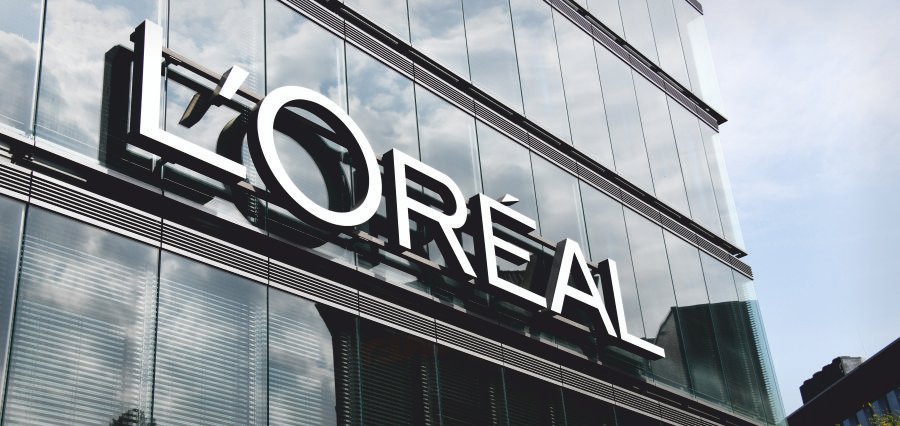
- L’Oréal’s L’Accelerator programme has chosen 13 startups driving sustainable packaging, green chemistry, natural ingredients, and circular solutions to transform the beauty industry.
- The initiative supports L’Oréal’s commitment to low-carbon and circular cosmetic solutions, accelerating the shift to cleaner and more responsible beauty products.
Key Facts
- The programme received over 1,000 applications from nearly 100 countriesand is backed by a €5 million investment over five years.
- Selected innovators include companies like Sweden’s PulPac, the UK’s Pulpex, and France’s Biosynthis, focusing on recyclable packaging, natural ingredients, and green chemistry.
Background
L’Oréal has unveiled 13 global innovators for its sustainable beauty programme, L’Accelerator, marking a major step in its drive towards low-carbon and circular cosmetic solutions. The companies were selected from more than 1,000 applications across nearly 100 countries. The programme is backed by a €5 million investment spread over five years.
The selected startups focus on key areas such as sustainable packaging, natural ingredients, green chemistry, and waste reduction. L’Oréal said these organisations act as “agents of change” that can help reshape the future of the beauty industry.
Six of the chosen firms specialise in packaging and materials. Sweden’s PulPac and the UK’s Pulpex are developing low-carbon paper packaging and recyclable paper bottles. Sweden-based Blue Ocean Closures is working on fibre-based caps and lids to replace plastic parts. Estonia’s Raiku offers shock-absorbing wood packaging, while the UK’s Kelpi creates packaging from algae. Japan’s Bioworks produces bioplastics from sugar cane.
Natural and renewable ingredient innovators also feature on the list. France’s Biosynthis provides biodegradable raw materials. US-based P2 Science uses green chemistry to develop bio-based cosmetic inputs, while Oberon Fuels produces ingredients using waste from wood and pulp.
The cohort also includes circular economy players. Belgium’s Novobiom turns waste into useful material through fungi. France’s Replace recycles complex multi-layer waste, and Brazil’s Gás Verde supplies biomethane as a cleaner fuel option. UK-based Neutreeno offers tools to measure and reduce carbon emissions across production systems.
L’Oréal is delivering the programme with the University of Cambridge Institute for Sustainability Leadership. The institute will guide the startups through mentoring and training to help scale their solutions.
The company said the programme supports its wider commitment to sustainability and aims to speed up the shift to cleaner, smarter, and more responsible beauty products.