A decade ago most skin care routines stopped at a cleanser and a moisturizer. That is not the case anymore. People are turning toward Medical Skin Aesthetics for something more grounded than a quick fix, a path to healthier skin backed by actual science. What used to feel like a celebrity indulgence is now just part of everyday wellness for plenty of ordinary people. Clinics and dermatology centers worldwide are seeing steady demand for treatments that blend medical expertise with cosmetic goals, and patients are showing up earlier in life too, hoping to prevent damage rather than fix it later. Some clinics now report that first time visits from people in their twenties have roughly doubled over the past few years, a shift that has forced front desk staff to rethink scheduling and intake paperwork on the fly.
There is a bigger shift underway in how people think about skin health. Rather than hiding problems under makeup, people want solutions grounded in dermatological science that actually last. Medical Skin Aesthetics pairs clinical precision with cosmetic artistry, so results tend to stick instead of fading after a few weeks.
Why Is Interest In Skin Health Growing So Quickly
A few things are driving it. Social media keeps skin concerns constantly on display, which pushes people toward professionals instead of drugstore trial and error. Awareness around pollution, sun exposure, and stress on the skin has grown too, and people want evidence, not guesswork. Medical Skin Aesthetics has stepped into that gap, offering treatments that are tested and handled by people trained to do it right.
Patients now walk in with sharper questions than before. They want to know what is in a product, how a procedure works, and what to realistically expect, and many arrive with notes from their own research already done. That curiosity has pushed clinics to widen their offerings and invest in advanced aesthetic treatments that handle everything from acne scarring to the earliest signs of aging. Some practices have even added dedicated intake sessions just to walk new patients through the science before booking anything at all, and a few now hand out printed guides so patients can review options again at home before committing to a plan.
What Sets Medical Skin Aesthetics Apart From Traditional Skin Care
Traditional skin care stays on the surface: cleansing, moisturizing, sunscreen. This branch of dermatology goes further, with real diagnostic assessment, a plan built around one person, and procedures done under medical supervision. That lets practitioners go after pigmentation, texture, and volume loss with a precision no over the counter product can touch.
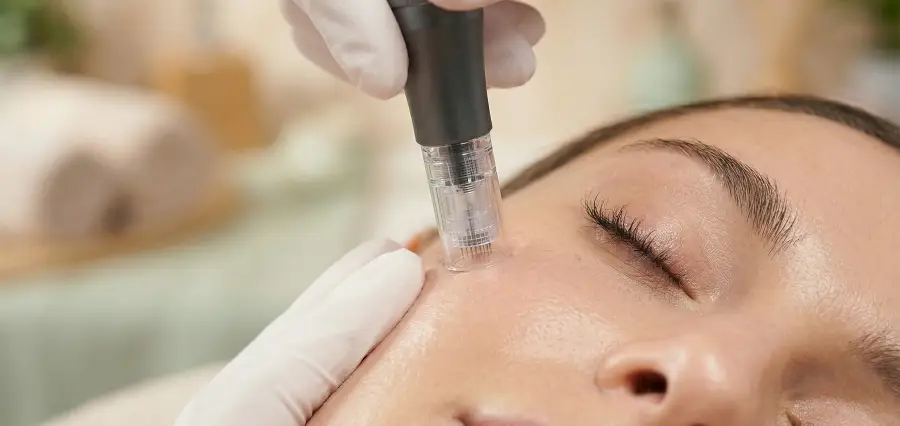
Laser resurfacing, chemical peels, microneedling, all part of the wider category of advanced aesthetic treatments, now give patients paths that used to require surgery. These procedures barely slow anyone down and can be adjusted to whatever skin type or concern walks through the door, which is why busy professionals book sessions on a lunch break these days. Recovery windows that once meant a week away from work have shrunk to a day or two in many cases, and some patients report going straight back to meetings the same afternoon.
How Are Advanced Aesthetic Treatments Changing Patient Expectations
Patients want transparency and customization now, not a one size fits all pitch. Advanced aesthetic treatments usually start with a detailed consultation covering skin type, history, and lifestyle before anything gets recommended. That honesty builds trust, and clinics that set realistic expectations up front end up with fewer disappointed patients later.
Many clinics now stack several procedures into one plan, mixing radiofrequency, light based devices, and injectables for a fuller result. It is a move away from generic treatment toward something built around the actual person in the chair, and practitioners say the sequencing of these combined sessions matters just as much as the individual procedures chosen.
Is Medical Skin Aesthetics Only About Appearance
Looks are usually why someone walks in, but this area covers more ground than that. Rosacea, hyperpigmentation, and early photodamage are not just cosmetic annoyances, they affect skin barrier function and daily comfort. Treating them through a medical lens means working on appearance and function at once.
That is what separates clinical skin care from a day spa service. Physicians and licensed aestheticians coordinate so treatments stay safe, evidence based, and matched to a patient’s own biology and goals. Medical oversight through every stage, not just the first visit, cuts down the risk of something going wrong down the line, and it also means follow up care is built into the plan rather than left to chance.
What Role Does Technology Play In This Shift
Technology sits at the center of how Medical Skin Aesthetics has evolved. Devices used in advanced aesthetic treatments have gotten far more precise, letting practitioners target one skin layer without touching what surrounds it. AI powered skin analysis tools are showing up too, helping clinicians map concerns more accurately and build plans that actually fit.
As the tech keeps improving, the line between clinical dermatology and cosmetic enhancement keeps blurring. Patients end up with treatments that work better and carry less risk, shorter recovery windows, fewer side effects, than what was available even a decade ago, and clinics that adopt newer equipment early often see patients travel from neighboring cities just for access to it.
Conclusion
Medical Skin Aesthetics is not a passing trend. It reflects a real change in how people approach skin health, one that no longer stops at the surface. This field pairs medical precision with cosmetic goals to produce results that hold up and stay safe. As demand keeps climbing, clinics will likely keep expanding what they offer, and appearance and skin health will probably stay linked in how modern care gets delivered for a long time. For anyone weighing options, an informed choice made with a trained professional tends to outlast whatever a quick fix could ever promise.