
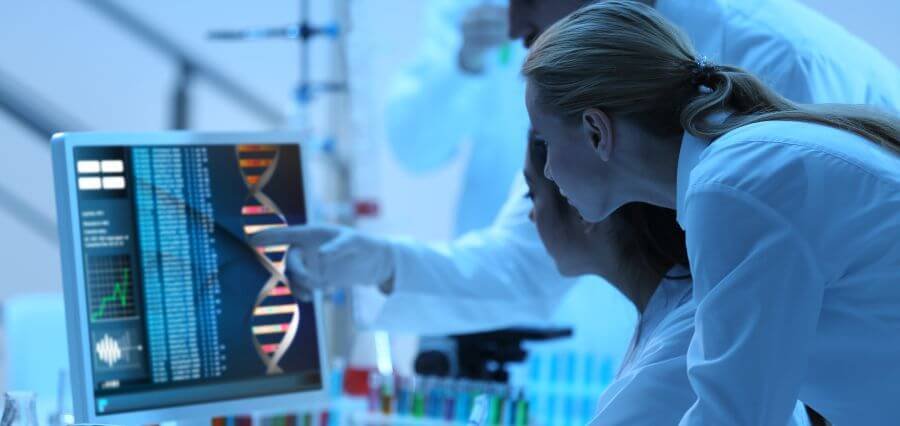
Health-related technological inventions and their implementation have drastically changed the procedures doctors, nurses, etc., have to carry out in order to diagnose, treat, and generally take care of the patients. Just to mention a few, the progress has been from the advanced imaging tools to the introduction of wearable devices that allow users’ health to be tracked in real time. Actually, the use of medical technology has substantially closed the gap between the hospital and the outside world.
The Rapid Evolution of Medical Technology
It is almost unthinkable to comprehend how everything has changed in such a very short time period. Many interventions that are relatively simple and straightforward today would, only a few years back, have been done with complications and would necessitate a long hospital stay. However, with the advent of cutting-edge instrumentation and the digital future, minimally invasive surgeries, quicker diagnostics, and tailored therapies have all become widespread, and patients benefit from all this progress. The transition of medical technology has been from primitive diagnostic instruments to complicated AI-based systems that are able to forecast results, discover irregularities, and even provide the doctors a better overview of the patients’ general health conditions.
The transformation in medical technology, their pace of the changes, is not only accentuating the precision of medical decisions; with it, the access to healthcare is also getting easier. The common use of remote monitoring devices allows physicians the monitoring of patients regardless of their location; thus, even those residing in distant areas and the ones with physical limitations can access and enjoy uninterrupted care. The above changes reflect the fact of the day that medical technology innovations are paving the way to health care being more exact, efficient, and patient-centered than ever before.
The Role of Artificial Intelligence in Medical Technology
One of the most impressive examples of technological progress within the last few years is probably the incorporation of artificial intelligence. Extremely accurate and efficient as it is, AI-driven imaging can identify cancer, heart diseases, and brain diseases without any resemblances to human doctors and experts. Just to illustrate, AI-based radiology can recognize the minor signals that could be overlooked by a human’s eyesight, which, in turn, hastens diagnosing and decreases the margin of mistakes.
Nevertheless, the role of AI in diagnostics does not end here. Predictive healthcare is one of the major uses of AI, which is radically altering the playing field of preventive medicine. It has the ability to detect the reasons why a certain healthy individual could be exposed to the risk of encountering the given diseases in the future and consequently gives a pre-warning to the medical personnel for making interventions. A similar example is good to be mentioned here as well, that of technology, as the patient bears the brunt of yesterday, today, and tomorrow. We are now in an era when technology use in healthcare is doing the paradigm shift in not only treating diseases but also making people healthy in the first place.
Wearable Devices and Personalized Patient Care
Another astounding feat in healthcare development is the popularity of wearable health gadgets. The figures that pop into a person’s head when talking about fitness might be fitness trackers or smart wristwatches, but in point of fact, these gadgets represent only the tip of the iceberg. The wearables for medical usage nowadays are able to supervise the heartbeats, blood sugar levels, and oxygen intake, and frequently the notifications go to the patient as well as to the attending physician.
These personalized and instant health metrics allow for quick modifications of the treatment regimen and also empower the patient with a sense of self-governance over his/her health condition. These products are indeed the saviors of the lives of chronic disease patients who otherwise will be continuously visiting the hospital for check-ups and will be constantly worried about their health conditions; thus, it is wonderful that in this age, they no longer need to be excited about the health facilities.
Robotics in Surgery and Beyond
Surgical robotics is on the front line to show one of the most significant effects of medical technology on procedures. The precision of the robotic-assisted surgery is higher, and the doctor can employ smaller incisions with less chance of complications. The patients have the advantage of shortened periods of recovery and low side effects, and at the same time, surgeons get equipment that gives them more precision than traditional methods.
Nevertheless, the surgical room is not the only place where robotics take the lead in medical technology. The rehabilitation robots are used for the patients that suffered strokes. help them regain their movement, while the exoskeletons are the ones that assist the paralyzed to walk once more. Besides returning the lost physical abilities, these innovations also contribute to the quality of life, which is a very important aspect of medical technology.
Telemedicine and Remote Care
One of the most vivid changes we have seen is the use of telemedicine on a large-scale basis, especially after the global health crises. In difficult times, telemedicine was at first only considered a really handy alternative, but nowadays it has established itself as a permanent fixture in contemporary medicine. Medical technology is key to telehealth, as it offers foolproof platforms for remote consultations, facilitates the access of scans and other images, and even provides virtual diagnostic tools.
Thanks to telemedicine, it is no longer the case that geographic location can be an obstacle if a person wants to receive top-grade medical care under the nearest roof, at least theoretically. What this means in practice is that patients, first and foremost, who are living in the most remote places, can get to see the specialists instantly with a click of a button, something that was not possible in the past. And if we shift our perspective to doctors, we will conclude that remote medicine is a great tool to do efficient follow-up work on patients who have certain chronic diseases and monitor their conditions closely with the help of integrated digital records and wearable healthcare devices.
Innovations in Medical Technology for Early Detection
There is no doubt that innovations in medical technology have taken the principle of early detection as a key factor for saving lives to the next level. The only goal of advanced imaging scanners, along with liquid biopsies and genetic testing, is to find the disease in its earliest, most curable stages. For instance, cancer screenings that use modern imaging techniques are now able to detect tumors much tinier than the ones they previously were unable to see; thus, the discovery of cancer before the spread of the disease is possible.
Techniques of genetics and molecular biology have been deeply integrated with medical technology as a means of achieving targeted therapy on the basis of a person’s genetic code. Such a therapy not only diminishes the chances of having side effects from it, but it also enhances effectiveness, thus making the treatment unique for every patient.
The Future of Medical Technology
The future in terms of medical technology is conceptually filled with things that sound like they are from science fiction but will soon be reality. Healing medicine with the help of stem cells and 3D printing is so promising that it will reconstruct the damaged part of the body—both tissues and organs. Nanotechnology will be able to carry medications only to the affected cells, thereby not harming the neighboring healthy ones. Surgical training, the curing of phobias, and even the alleviation of pain without drugs are some of the areas where virtual reality tools find their application.
Nevertheless, as with every other great thing, there are also some not-so-good things about these advancements in medical technology. How can it be that all kinds of people, including those who are living in underdeveloped areas, still get access to these groundbreaking technologies? And also, what kind of protection mechanisms exist to make sure that patient privacy is intact while advanced devices are constantly collecting health information? Such matters will always accompany society during the technological era, which is increasingly more shaped by medical technology.
Conclusion
Medical technology is very near being one of the strongest weapons in the fight against human suffering because it is the fruit of a combination of science, engineering, and the spirit of humanity working together in unison for the betterment of lives around the world. AI integration, robotics, telehealth, and wearables are reshaping the healthcare system to be more accurate, efficient, and patient-centered than ever before.