
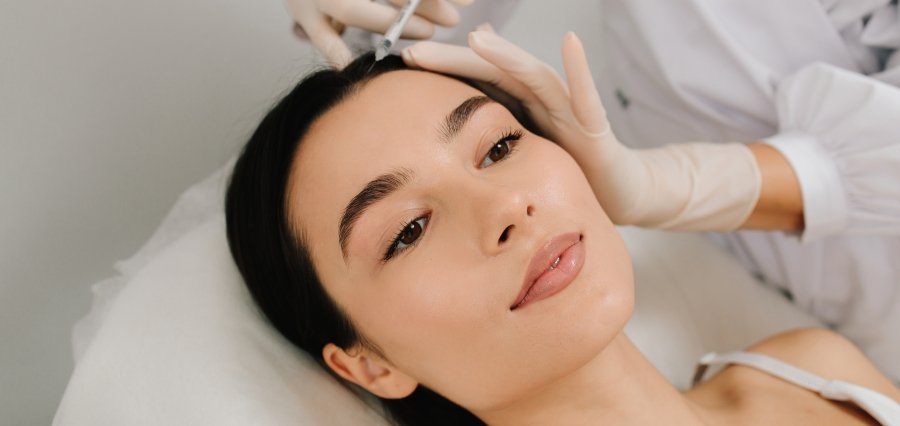
Collagen is one of the most essential proteins in the human body. It provides structure to the skin, strengthens connective tissues, and helps maintain firmness and elasticity. As people age, collagen production naturally slows down, leading to wrinkles, sagging skin, and joint discomfort. This is why many individuals search for how to increase collagen through safer and more sustainable lifestyle habits.
External factors like pollution, stress, poor diet, smoking, and excessive sun exposure can further damage collagen levels. While aging is unavoidable, adopting healthy habits can significantly slow down collagen breakdown and improve the skin’s overall appearance. Instead of relying only on cosmetic treatments, many people now prefer natural ways to boost collagen because they support long-term wellness from within.
Foods That Naturally Encourage Better Collagen Formation
Diet plays a major role in maintaining collagen levels. The body requires specific nutrients to create and preserve this protein effectively. Protein-rich foods are especially important because collagen itself is made from amino acids. Eggs, fish, chicken, legumes, and dairy products can help provide the building blocks required for healthy skin and connective tissue.
Vitamin C is equally important because it directly contributes to collagen synthesis. Citrus fruits, strawberries, bell peppers, tomatoes, and leafy greens are excellent sources that support the body naturally. Without enough vitamin C, collagen production becomes less efficient, which can affect skin texture and healing.
Bone broth has also gained popularity among people exploring natural ways to boost collagen. Since it contains gelatin and amino acids derived from animal bones, many believe it may help improve skin hydration and joint flexibility. Nuts and seeds are another valuable addition because they contain zinc and healthy fats that support tissue repair and skin strength.
Hydration should not be ignored either. Drinking sufficient water helps maintain skin moisture and elasticity, making the skin appear smoother and healthier over time.
Daily Habits That Protect Existing Collagen in the Body
Learning how to increase collagen is not only about stimulating new production but also about protecting the collagen already present in the body. One of the biggest threats to collagen is prolonged exposure to ultraviolet rays. Excessive sunlight breaks down collagen fibers and accelerates visible signs of aging. Wearing sunscreen daily and limiting direct sun exposure can significantly reduce this damage.
Sleep also has a direct connection to skin health. During deep sleep, the body repairs damaged tissues and restores cellular function. Poor sleep quality increases stress hormones that may contribute to collagen breakdown and inflammation. Establishing a proper sleep schedule can therefore improve overall skin recovery and appearance.
Stress management is another overlooked factor. Chronic stress increases cortisol levels, which may weaken skin structure over time. Activities such as yoga, meditation, exercise, and spending time outdoors can support healthier hormone balance and skin function.
Smoking and excessive alcohol consumption are also known to damage collagen fibers rapidly. Avoiding these habits can make a visible difference in skin texture and elasticity over time.
Natural Ingredients Commonly Used for Better Skin Support
Many skincare ingredients are now designed to support collagen health naturally. Aloe vera is widely used because of its soothing and hydrating properties. It may help improve skin repair while supporting smoother texture. Hyaluronic acid is another popular ingredient often associated with hydration and firmness.
Retinol-based products are commonly recommended in skincare because they encourage faster skin cell turnover and may help improve collagen activity over time. However, they should be used carefully and paired with proper moisturization.
People interested in natural ways to boost collagen also frequently use ingredients like ginseng, green tea extract, and rosehip oil. These ingredients contain antioxidants that help fight free radicals responsible for premature skin aging. Antioxidants are important because oxidative stress is one of the major causes of collagen deterioration.
Facial massage and regular exercise may also improve blood circulation, helping nutrients reach the skin more effectively. Better circulation can support healthier and brighter-looking skin naturally.
Building Long-Term Skin Health Through Consistent Lifestyle Choices
People searching for how to increase collagen often expect immediate results, but collagen support is usually a gradual process. Consistency matters more than quick fixes. A balanced diet, proper hydration, quality sleep, and daily skincare habits work together to support stronger and healthier skin over time.
The body continuously responds to the choices made every day. Choosing nutrient-rich foods, staying physically active, protecting the skin from environmental damage, and reducing harmful habits can all contribute to better collagen maintenance naturally. Instead of focusing only on appearance, these practices also improve overall health, energy, and long-term wellness.
By combining mindful nutrition with protective lifestyle habits, individuals can create a sustainable routine that supports youthful skin and healthy collagen levels naturally.